We can all agree that when stress and anxiety start to feel too overwhelming, our motivation to...
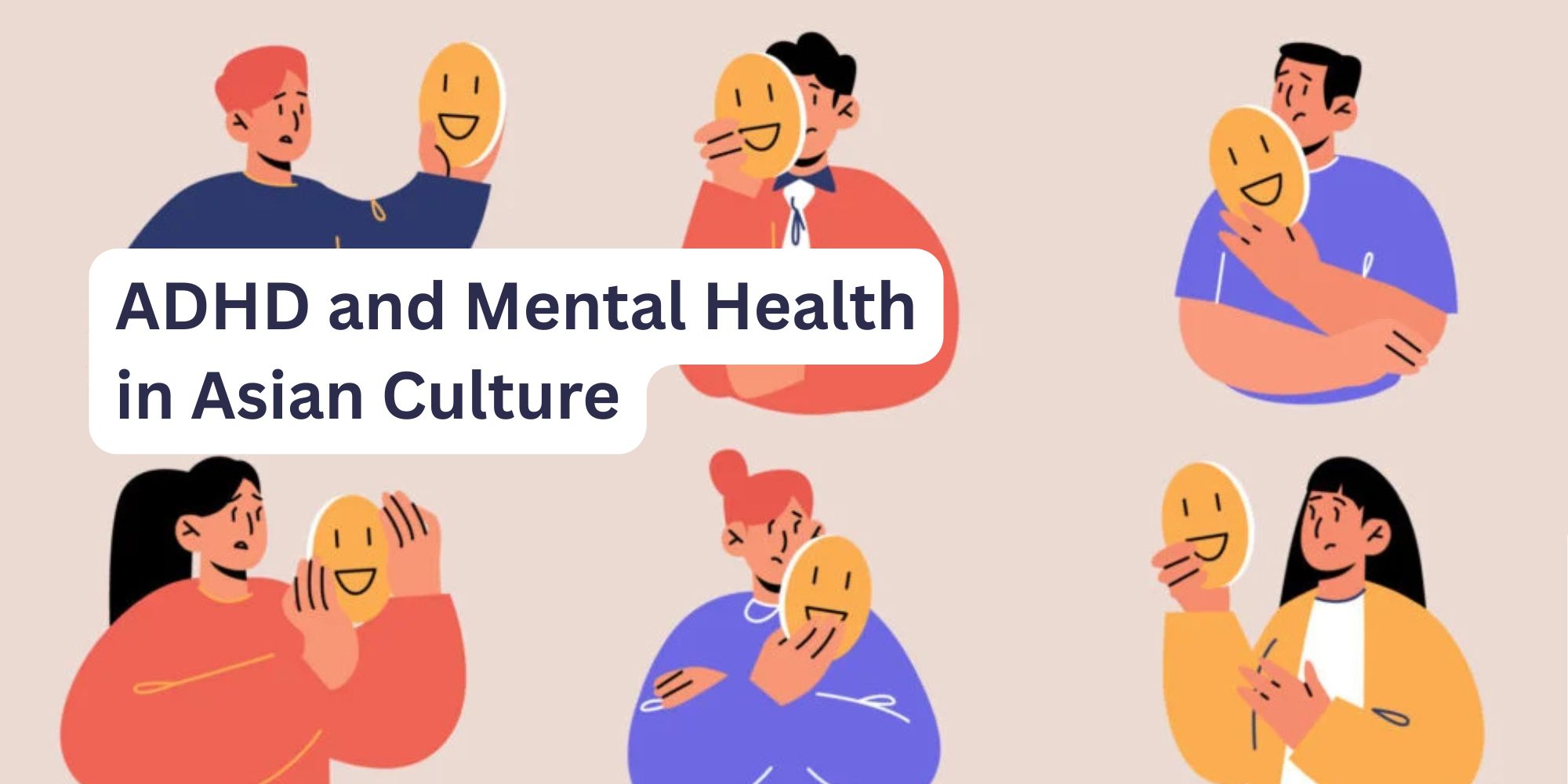
ADHD is one of those conditions that almost everyone has heard of, but few people truly understand. This is especially true when it comes to how it appears in women. Growing up in Asian households, mental health conversations are rare. When considering factors like cultural expectations, family pride and academic pressure, ADHD often gets overlooked.
In this post, I want to unpack why ADHD in Asian women so often goes unnoticed, how cultural stigma plays a huge role and what we can do to better support ourselves and each other.
Quiet Doesn’t Mean Calm: The Hidden Side of ADHD
For many Asian women, their ADHD doesn’t look like the typical stereotype of a restless little boy bouncing around the classroom.
Instead, it might show up as:
- Daydreaming
- Struggling to focus
- Feeling overwhelmed by small tasks
- Constantly second-guessing yourself
Since these symptoms don’t match the “noisy and disruptive” picture that people expect, they’re brushed off as laziness or simply “not trying hard enough.”
The comic below shows how someone with ADHD can appear calm on the outside while masking restlessness inside, which is a struggle many face in silence. Outward hyperactivity is often seen as the defining trait of ADHD, but in reality, it can appear in a different form.
Signs to Look Out For
If you’ve ever questioned whether the struggles you face might be related to ADHD, here are a few overlooked symptoms in women:
- Trouble with time management
- Forgetfulness in daily activities
- Not following through on instructions and failing to finish responsibilities
- Difficulty starting tasks
- Rejection sensitivity dysphoria (RSD)
- Having trouble falling asleep due to restlessness and racing thoughts
Many women try to manage these struggles on their own by using tools like reminders, timers or detailed to-do lists to break tasks into smaller, more manageable steps. These strategies can certainly help with day-to-day organization, but they don’t address everything. Approaches like Cognitive Behavioural Therapy (CBT) can also be effective, offering healthier coping skills and reframing the self-blame that often comes with ADHD.
Building good habits that prioritize your health, like regular sleep, exercise and breaks, can prevent burnout. Finding adjustments to implement that will help you, such as eliminating distractions, setting a pomodoro clock or using a study playlist, can also help signal to your brain when to shift your focus. These strategies can help navigate your responsibilities more effectively.
How Cultural Stigma Shapes the ADHD Experience in Asian Households
If you grew up in an Asian household, chances are you’ve heard phrases like:
“You’re not putting in enough effort.”
“Stop being lazy.”
“Other kids can do it, why can’t you?”
 In Asian families, ADHD gets dismissed or doesn’t exist in their worldview. They see it as an excuse for misbehaviour and a lack of discipline. Being raised in a culture where there’s a huge emphasis on success causes a lot of pressure to excel academically. Many kids have stricter routines, extra tutoring and higher expectations. There’s a constant comparison to their peers and this can make the child feel inadequate.
On top of that, many girls are taught to be quiet, obedient and respectful because they’re equated to politeness and good manners. They’re not supposed to speak up for themselves and cause any conflict. Issues never get brought up or resolved.
The fear of bringing shame to their family or not being well-regarded by others is very prevalent. It’s a people-pleasing culture that values protecting its reputation. Overall, there’s a lack of awareness of how cultural values can affect the pressure to perform, which can cause ADHD symptoms to get overlooked. Many of these factors lead to ADHD masking and create a perfect recipe for missed diagnoses.
Why Masking ADHD Symptoms Feels Exhausting
Since mental health is a taboo topic in Asian culture, there’s a tendency to mask ADHD symptoms to fit in. Many feel pressure to uphold cultural expectations of being disciplined, high-achieving and respectful, which makes it harder to admit when they are struggling.
This is often done by overcompensating to hide your struggles, which takes a toll on your emotional well-being. Completing certain tasks or having to pay attention in meetings can take double the cognitive energy. You might stay up late trying to catch up with work or make things “perfect” to appear organized. A lot of time gets eaten up by strategizing and overthinking.
Over time, masking leads to:
- Burnout from constantly pushing yourself beyond your limits
- Anxiety about being seen as unreliable or incompetent
- Imposter syndrome, where no amount of achievement feels good enough
Instead of recognizing that ADHD brains function differently from neurotypical ones, you may turn that frustration inward and start blaming yourself. Masking often comes from watching what others do and trying to copy them. It can also show up as controlling impulses and rehearsing your responses, out of fear that you might be judged or appear interruptive.
Unravelling ADHD Stories in Asian Communities
In a STAT article, Emily Chen shares her ADHD diagnosis story. The first specialist she saw, who was a white male physician, told her that she couldn’t have ADHD because she was able to do “all right” in middle school. But, when she sought a second opinion from a woman who asked more in-depth questions, she received a proper diagnosis.
Stories like Chen’s highlight how cultural stigma and underdiagnosis intersect for Asian communities. That’s why sharing personal experiences is so powerful, by helping others feel seen and sparking conversations about ADHD and mental health.

“I was diagnosed in my late 20s. Growing up, I was often described as ‘smart but lazy.’ In my immigrant family, mental health was swept under the rug. Even though there were clear signs, my parents never got me evaluated because I still managed to get good grades — and that was all that mattered to them.” — Reddit user
“Parents refuse to acknowledge any mental issues they have nor seek treatment for it. They are afraid of the shaming and criticism from their community if they find out one has a mental illness. There is no community support at all.” — Reddit user
“As an Asian American, I was quiet in class and expected to excel. What my teachers and parents didn’t see was the toll it took. It was a constant effort to keep up while dealing with my anxiety and racing thoughts. My teacher viewed me as a shy girl who was obedient. But, what they didn’t know was how more of my energy and focus was spent on trying to keep track of what was being said and done in class. I thought this was just the terror of being a good student.” — Emily Chen
Beyond Culture: Key Lessons on ADHD in Women
While our focus is on Asian communities, there are many challenges around the topic of ADHD that are shared by women globally. In Martha Barnard-Rae’s TEDxKinjarling talk, she talks about her ADHD diagnosis journey, which highlights the difficulties, discouragement and shame women face. She discusses feeling misunderstood by others, feeling like she was never good enough and that she was a burden. Even though cultural factors influence how ADHD is recognized and addressed, many core struggles are universal.
According to an ADDitude article, there is a 69% higher diagnosis rate for ADHD in American men than it is among American women. The gap is further complicated by gender role expectations. For many women, an ADHD diagnosis doesn’t come until adulthood. As children, they struggled with schoolwork, social settings, executive functioning and self-esteem. Yet, these signs were overlooked. Even with professional support, their symptoms were not recognized as ADHD.
These stories and statistics highlight how easy it is for ADHD in women to go unrecognized. Being able to identify these signs is crucial. Awareness is the first step toward support, strategies and meaningful change.
Beyond individual strategies, connecting with others who have ADHD and come from similar backgrounds can be life-changing. Bonding over experiences reminds us that no one is ever alone in their struggles. Whether online or in-person, communities provide a safe space to learn from each other. Coming together to talk about mental health, across different cultures and experiences can be empowering and validating, reminding women that they are not alone.
What We Can Do Moving Forward
There’s no shame in talking about ADHD. By being open and vulnerable, we can raise awareness, break stigma and find comfort in shared experiences. That’s why we’ve created a Discord community for Asians around the world who have ADHD, a safe, welcoming space where we chat, play games and even host in-person events.
- Chat in English, Chinese, Korean and more—our community is multilingual and growing.
- Share stories, laugh, play games and join in-person events.
- Open to all genders, backgrounds and experiences.
- Access resources like special discounts and free trials for online therapy platforms.
Join our Discord here and connect with others on the same journey!