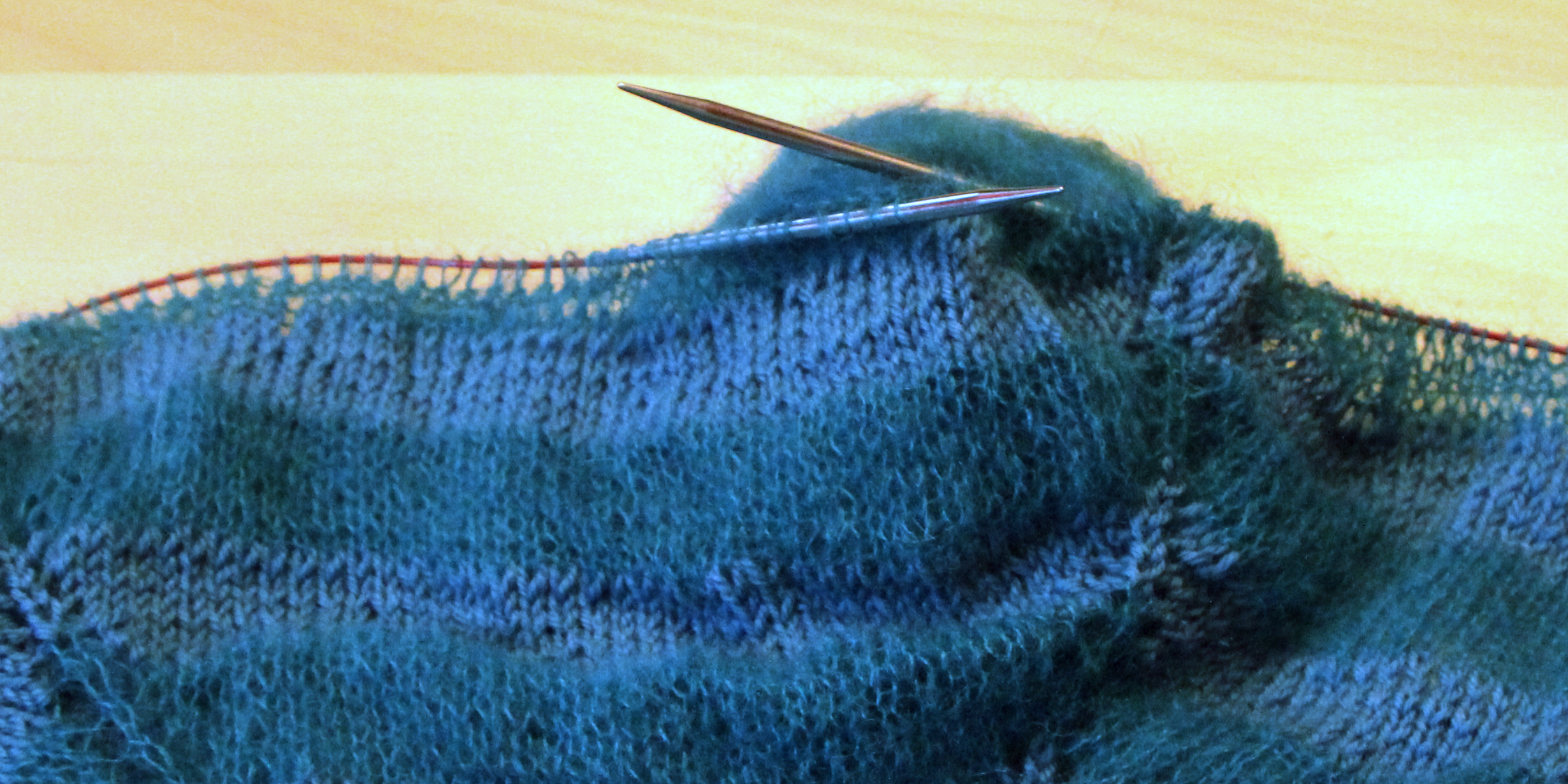
Have you ever wondered about the self-care benefits that a handcrafting hobby such as knitting can...

We can all agree that when stress and anxiety start to feel too overwhelming, our motivation to achieve tasks and goals disappears. During these moments, self-care is often the last thing on our minds due to several barriers which we often come across. This leaves us feeling discouraged and can make it harder to realize just how crucial it is for our physical and mental well-being.
What Causes Us To Neglect Self-Care?
- Motivation
- Self-Esteem
- Time/Energy Consumption
- Lack of Awareness
- Guilt
Though, the reality is that self-care doesn’t have to be complicated or time-consuming. Believe it or not, incorporating quick and simple acts of care can make a huge difference in our mood and helping us to recharge.
A survey conducted by YouGov found that 32% of US consumers regularly take part in self-care practices, with 43% prioritizing self-care at least once a week. The survey also examined the perceived benefits, with stress reduction cited as the most notable by 49% of participants, while 41% reported improved mental and emotional well-being.
Here are some easy-to-follow, yet transformative self-care practices allowing you to take care of yourself in a way that feels gentle, rejuvenating, and manageable, even on your toughest days.
1. Stop and Take Deep Breaths 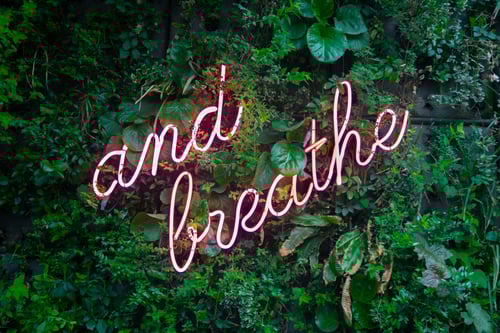
When stress takes over and we lose the ability to think clearly, your breath can be the first that changes—becoming shallow and rapid. Taking a few minutes of deep breathing exercises can make a positive impact by reconnecting with your body, and essentially reducing stress hormones.
How To Do It:
Sit comfortably, then take slow deep breaths through your nose, hold for 3-4 seconds and finally exhale slowly through your mouth. It's best to repeat this for 1-3 minutes.
2. Drink Water & Stay Hydrated
Keeping hydrated is among the simplest, yet most vital needs to function. However, it's still easy to forget when were feeling overwhelmed. Common indicators of dehydration can include fatigue, irritability and lack of sleep, which of course only worsens stress and anxiety. According to Healthline, a study in 2018 of over 3,000 adults found individuals who drink more water have a reduced risk of anxiety and depression. Aside from quenching thirst, drinking water can enhance our mood, short-term memory and overall mental health performance.
How To Do It:
Keeping a reusable bottle nearby or on-the-go and taking small sips every few minutes can help you remain consistently hydrated throughout your day. You can also remind yourself to drink water by setting daily reminders or by using the following hydration apps:
- Plant Nanny - Water Tracker (Available on Google Play & Apple Store)
- Waterllama: Water Tracker App (Available on Apple Store)
- Hydro Coach (Available on Google Play)
3. Establish Boundaries
For many of us, it's easy to take on more obligations that we can realistically manage, resulting in exhaustion and burnout. Taking care of yourself also involves establishing boundaries and saying "no" to multiple responsibilities that may drain our mental and physical energy.
How To Do It:
When an obligation starts to feel stressful, it's okay to say no. Setting small boundaries—with others as well as yourself can maintain our energy and enable a sense of balance in our busy schedules.
 4. Practice Mindfulness
Mindfulness and meditation can often look like a big commitment, especially when our mind is racing with endless thoughts like work, studies and family life. But the truth is, you don’t need to dedicate hours to experience the benefits. Spending as little as five minutes focusing on your breath can help regulate your emotions and increase clarity, making it easier to work more efficiently.
How To Do It:
If possible, find a quiet space, away from any noise or distractions. Then when you find yourself in a comfortable position, close your eyes, and focus on your breathing as well as the sensations in your body.
5. Take a Quick Break from Screens
Knowing when to unplug from our phones, computers, or other devices is one of the biggest challenges nowadays, especially since they’ve become so ingrained in our daily routines. That’s why taking a brief break from screens can work wonders for our mental well-being. The overflow of information, app notifications, and heavy social media usage can definitely elevate stress and reduce quality of sleep.
Set a timer, for ideally 15-20 minutes, and step away from your devices. Within that time, you can occupy yourself by doing the following:
- Taking a look out the window
- Stretching
- Sketching
- Reading a chapter of your favorite book
- Resting your eyes/taking a quick nap
- Working on a puzzle
6. Get Outside and Enjoy A Breath Of Fresh Air
On those difficult days, going outside for a couple of minutes and taking in nature can help ease any stress or intense emotions we're feeling in the moment. Getting outside also has other health benefits where the Center for Environment, Health, and Field Studies
have conducted studies finding that surrounding yourself in nature, for a minimum of 30 minutes lowers blood pressure.
How To Do It:
Stepping outside and doing the following just for a few minutes can be relieving:
- Go for a hike or jog.
- Biking
- Do some Gardening.
- Meditation
- Dog walking

Final Thoughts
By adding simple, calming practices to your daily routine, it makes is less of a challenge to overcome stress and feeling overwhelmed. Even during the busiest and most stressful times of our lives, don't forget that your well-being comes first. Just a few moments each day to take care for yourself can truly make a difference to your mind and body.
Take a deep breath—you’ve got this!
What’s one self-care habit that’s changed your life? Join the conversation!